
Regulations for installing a new front door in a conservation area
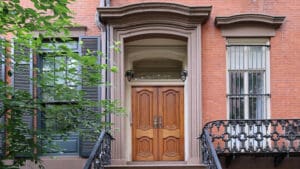
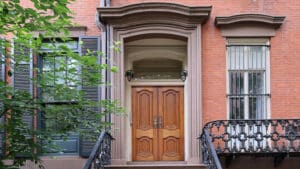
The UK can be a very beautiful place. This nation is laden with spots and locations with historical, architectural and aesthetic value, many of which fall under the category of conservation areas.
These are areas that local planning authorities determine to be of a certain interest and value, and then take careful steps to preserve them in terms of character. There are over 10,000 conservation areas in the UK, as designated by the Civic Amenities Act, and those living in them have to be conscious of specific building regulations.
Homeowners should make sure that they are comprehensively aware of any rules before they get to work on their home. For those trying to liven up their entryways, there are some essential regulations for installing a new front door in a conservation area. This article will explore these regulations, so you can feel more confident knowing what to do if you’re interested in some new contemporary front doors.
Understanding Article 4
Conservation area regulations aren’t on the same level as those for Listed Buildings; however, they are still much stricter than in the average home. The most common legal consideration to make is understanding Article 4 Directions. Article 4 can essentially strip away your “Permitted Development” rights, meaning you need full blown planning permission, even for minor changes, like front doors (even as granularly as a paint job).
Without Article 4 in place, you can generally replace a door without specified permission, as long as you don’t change the style too significantly.
Solution. Check with your local council on their website for an “Article 4 map” or appraisal tool.
Standard new front door building regulations for all homeowners
Every front door needs to meet the minimum standards set in the country, whether your home is impacted by the Listed Buildings and Conservation Areas Act 1990 or not. It’s always good practice to make sure that your door meets standards for:
Thermal performance. Replacement doors need to hit a minimum U-value of 1.4W/m²K in 2026.
Safety glass. Low glass panels on doors (below 1500mm) need to be made from toughened glass.
Accessibility. Homes built after 1999 cannot replace level, flat entry thresholds with stepped ones as it restricts disabled access (not generally relevant to conservation areas).
Outside of conservation area building regulations, there are plenty of considerations all homeowners should keep in mind.
Materials & design considerations for conservation areas
A lot of the charm and appeal of a building in a conservation area comes from the materials and designs used on the property. Generally, you should follow the golden rule of “like-for-like”, meaning the front of the house should use doors with the same materials as before.
Composite and uPVC doors are often prohibited from the front of the home.
It’s also important to match any stained glass or leaded patterns on the original doors.
High-gloss modern glazing is likely to be rejected in favour of “heritage” glass with a more slimline profile.
Modern hardware and shiny chrome elements might be discouraged, with era-suitable brass and iron often more compliant with conservation.
Consulting with your council
If you’re sitting wondering “Is my home in a conservation area?” or “Can I get around Article 4?”, you should get in touch with your council. They should be able to provide you with all the essential information you need about your property and your rights to it, ensuring you maintain a standard of character in the area while still upgrading your home.
Staying in the know is essential if you are curious about conservation areas, as a wrong move could end up with you in conflict with the local area.
Read more:
Regulations for installing a new front door in a conservation area