
Here’s how a stock market crash could be brilliant news for your retirement!
Is there anything good about a stock market crash?
Given how much fear and panic can surround those words, it might seem like an odd question.
In fact though, a crash can provide a rare opportunity to invest in brilliant companies at bargain basement prices. That can help to bring someoneâs financial planning for their retirement forward and potentially help them to retire years early.
Hereâs how.
A crash is a change in valuation, not necessarily underlying value
When there is a stock market crash, we often hear about how many billions of pounds has been wiped off the value of the stock market. But that does not necessarily mean that the underlying value of the companies has changed.
Why?
Well: think about someone who has a vague notion to sell their house and puts up a sign in the window inviting offers. Each day, someone new knocks on the door and makes an offer, at wildly varying prices. The owner does not accept any of those offers.
The house’s value as their home is unchanged. The bids have suggested a range of different values — but the owner still owns the house.
Making the most of an opportunity
Guess what? The stock market is the same.
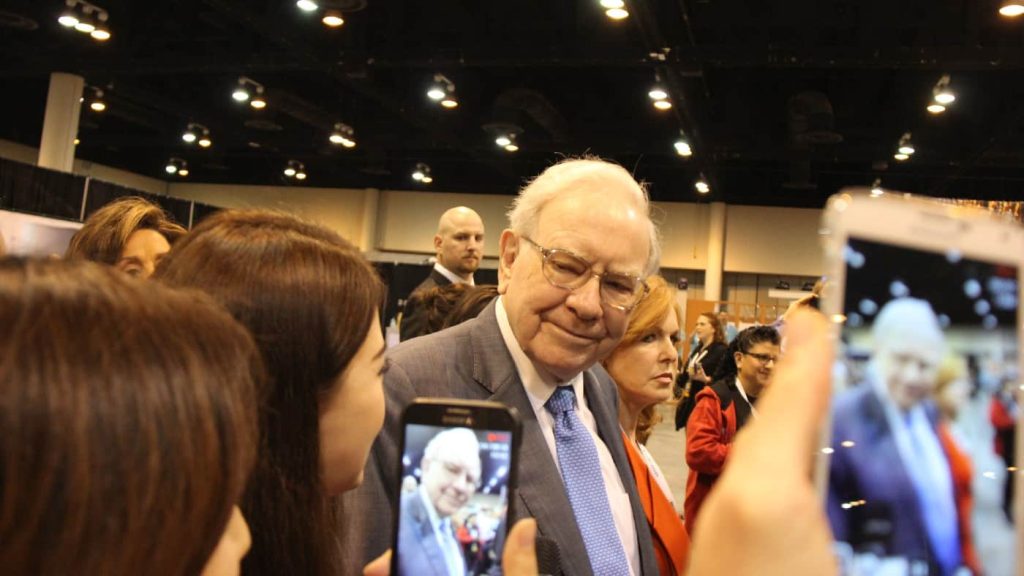
Billionaire Warren Buffett illustrates this by reference to the imaginary character, Mr. Market.
Every day, Mr. Market offers you a price at which he will sell you a given share â and a price at which he will buy it from you. But you do not have to sell, even if a stock market crash send the price down sharply.
However, if that happens â and you think the long-term underlying value of a given business remains the same â that could be a great buying opportunity.
Hereâs how one could retire early
That can be a very powerful insight when it comes to financial planning for retirement.
For example, at the moment HSBC (LSE: HSBA) commands a share price of around £12. It also has a 4.7% dividend yield. That sounds very attractive, given that the FTSE 100 index (of which HSBC is a member) has a yield of 3%.
But does that mean that HSBC shareholders are all earning a 4.7% yield? No, it does not.
Remember: yield is based on the current share price. But step back to the stock market crash of 2020. HSBC shares fell down to just a few pennies north of £3 apiece.
So, someone who bought then would be sitting on a price gain of well over 300%. They would also now be yielding over 18%.
That is a massive difference.
Compound £100k at 4.7% annually with the goal of reaching a £250k target and it takes 20 years. At an 18% compound annual growth rate, that timeframe is cut to just six years.
Getting ready now
I think HSBC still has a lot going for it: a strong brand and a very sizeable market position, especially in Hong Kong banking.
But the risk of a weakening economy driving up loan defaults means I have no plans to buy it.
It is on my list of shares I would like to own, though, if their price falls far enough. Such a list could be very handy in the next stock market crash, whenever it happens!
The post Hereâs how a stock market crash could be brilliant news for your retirement! appeared first on The Motley Fool UK.
Should you invest £1,000 in HSBC Holdings right now?
When investing expert Mark Rogers has a stock tip, it can pay to listen. After all, the flagship Motley Fool Share Advisor newsletter he has run for nearly a decade has provided thousands of paying members with top stock recommendations from the UK and US markets.
And right now, Mark thinks there are 6 standout stocks that investors should consider buying. Want to see if HSBC Holdings made the list?
More reading
- Passive income of £2,000 a month in an ISA? Hereâs how an investor could aim for that
- 2 top stocks to consider buying after this weekâs FTSE carnage
- How much do I need in a Stocks and Shares ISA to earn an £800 monthly second income?
- Down 12% to under £13, is this exactly the right time for me to buy more HSBC shares?
- How much do I need in an ISA to aim for a £500 monthly second income?
HSBC Holdings is an advertising partner of Motley Fool Money. C Ruane has no position in any of the shares mentioned. The Motley Fool UK has recommended HSBC Holdings. Views expressed on the companies mentioned in this article are those of the writer and therefore may differ from the official recommendations we make in our subscription services such as Share Advisor, Hidden Winners and Pro. Here at The Motley Fool we believe that considering a diverse range of insights makes us better investors.