
How F1 Car Engines Are Different This Year — And Why It Matters for Fans Dreaming to Win a Car
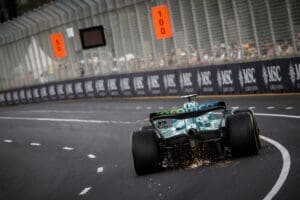
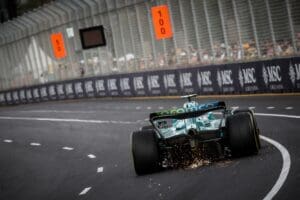
Formula 1 is constantly evolving, and this year’s engine developments are a perfect example of how innovation never slows down.
While most fans focus on lap times and driver rivalries, the real story often lies beneath the car’s bodywork. The latest changes to F1 power units are not just about speed—they’re about efficiency, sustainability, and technology that could eventually influence the cars you drive every day.
And if you’re someone who follows motorsport while entering win a car contests or browsing dream car giveaways, these advancements are especially exciting. Today’s race technology often becomes tomorrow’s road-going performance.
A Shift Toward Efficiency Over Raw Power
In previous eras, F1 engines were all about maximizing horsepower. This year, however, the focus has shifted even more toward energy efficiency and hybrid performance. Modern F1 power units already combine a turbocharged internal combustion engine with sophisticated electric systems, but teams are now extracting more usable energy from every drop of fuel.
The result? Cars that are just as fast—if not faster—while consuming less fuel. This mirrors what’s happening in consumer vehicles, where hybrid and electric technology is becoming the norm. For fans entering dream car giveaways, this means the supercars and luxury vehicles up for grabs are increasingly influenced by the same efficiency breakthroughs seen on the track.
Improved Energy Recovery Systems
One of the biggest differences this season is how effectively cars recover and deploy energy. The Energy Recovery System (ERS) has been refined to capture more energy under braking and reuse it more strategically during acceleration.
Drivers now have smoother power delivery and better control, especially when exiting corners. This not only improves lap times but also reduces mechanical stress on the engine components.
For everyday drivers, this technology is already trickling down into regenerative braking systems in hybrid and electric vehicles. So if you’re hoping to win a car through a competition, chances are it may feature similar tech designed for efficiency and performance.
More Sustainable Fuels
Sustainability is a major theme in F1 this year. Teams are using advanced fuel blends that significantly reduce carbon emissions without sacrificing performance. These fuels are engineered to be compatible with future road cars, making F1 a testing ground for greener mobility.
This has a direct impact on the types of vehicles featured in dream car giveaways. Many promotions now include hybrid hypercars or fully electric luxury models, reflecting the same eco-conscious shift happening in motorsport.
Enhanced Reliability and Cost Control
Another key change is the emphasis on engine durability. Regulations now limit how many components teams can use over a season, pushing engineers to build more reliable systems.
This focus on longevity benefits consumers too. High-performance engines that last longer and require less maintenance are becoming more common in road cars. So when you enter a win a car contest, you’re not just dreaming about speed—you’re also looking at vehicles built with endurance in mind.
Smarter Engine Management Software
Beyond hardware, software is playing a bigger role than ever. Teams are using advanced algorithms to manage energy deployment, fuel usage, and engine temperatures in real time.
This level of intelligence is quickly making its way into production vehicles. Features like adaptive driving modes, predictive energy management, and AI-assisted performance tuning are becoming standard in premium cars often featured in dream car giveaways.
Why It Matters for Fans
F1 isn’t just about racing—it’s a glimpse into the future of automotive technology. The innovations introduced this year will shape the cars people drive in the coming years.
For fans who love the idea of winning their dream vehicle, this connection is especially exciting. The same breakthroughs that power F1 cars today could soon be sitting in your driveway if you win a car through one of the many competitions available.
Read more:
How F1 Car Engines Are Different This Year — And Why It Matters for Fans Dreaming to Win a Car