Warren Buffett didn’t retire early. But could his investing wisdom help you do so?
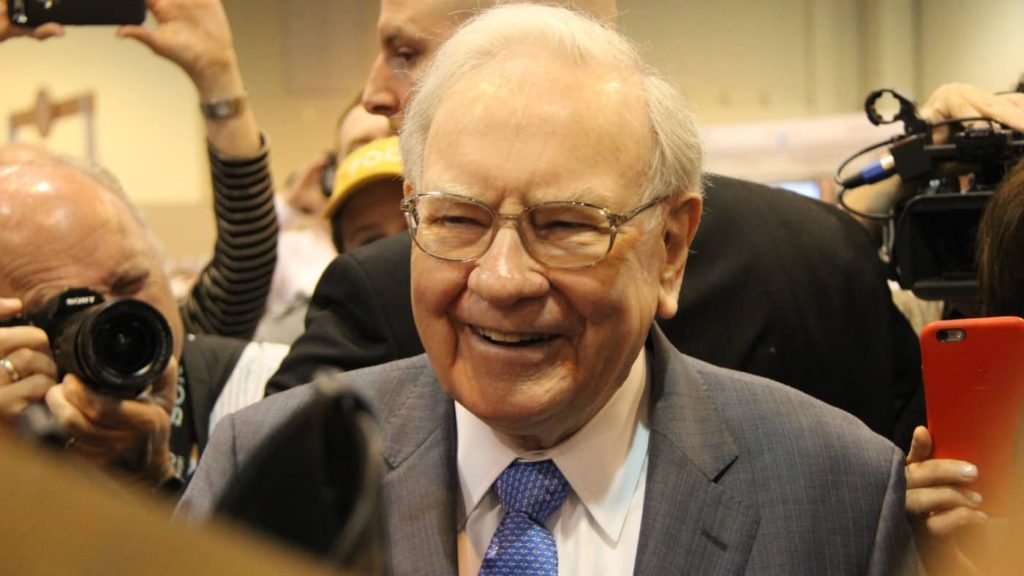
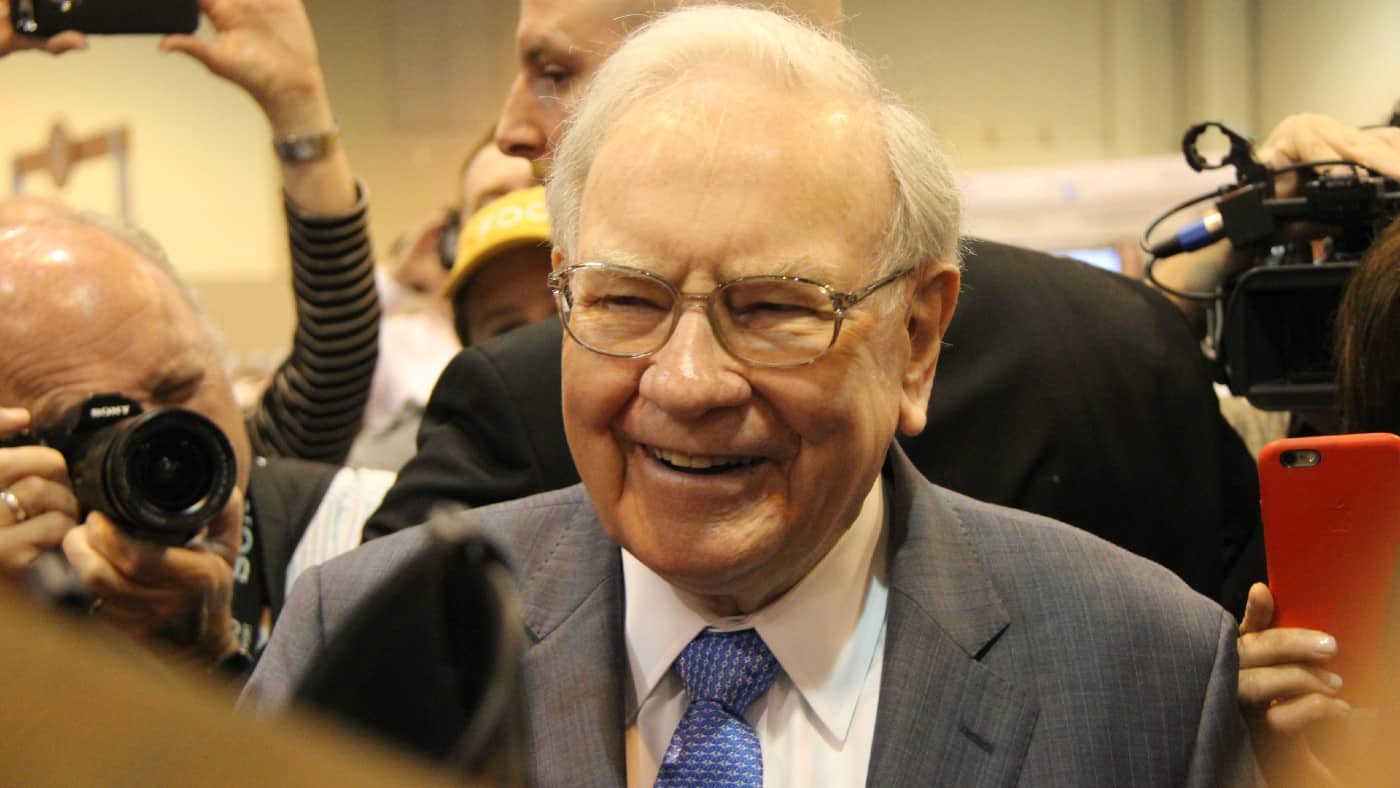
This year has seen legendary investor Warren Buffett step down from day-to-day control of Berkshire Hathaway. He is well into his nineties, so despite earning billions of pounds in the stock market, he has not exactly used that wealth to help fund an early retirement!
Still, that could be exactly what others can do by learning from some of Warren Buffettâs approach to the markets.
Invest early and regularly
Buffett bought his first shares as a schoolboy and has been a regular investor ever since.
Making regular investments, from an early age, can add up. Say someone puts £20 a day into a Stocks and Shares ISA. That will give them over £7,000 per year to invest.
Doing that from the age of 25 and sticking with the habit, by the time they are 55 the investor will have put aside £219,000 to invest.
Use money to make money
Warren Buffett is a big believer in compounding.
By keeping money inside Berkshire on his watch rather than paying it out as dividends, the company could fund further investments that could in turn earn more money to fund further purchases â and so on.
Buffett compares this to pushing a snowball downhill, whereby snow (money) picks up more snow as it gets bigger.
Returning to my example above, say the person putting £20 a day into an ISA from the age of 25 onwards compounds it at 10% annually.
By the time they hit 55, they will have an ISA valued at over £1.2m. Yes, £1.2m!
Not bad for £20 a day â and certainly helpful if they want to retire early!
The Buffett approach to building wealth
10% a year of compound annual gains over a long-term timeframe is a challenging goal.
Buffett achieved around twice that in his decades at the helm of Berkshire, but of course not all of us have his Midas touch. Fortunately, though, we can learn from his techniques.
He likes to focus on great not merely good companies, with competitive advantages that give them pricing power.
Buying cheap is not essential in the Warren Buffett approach, but he does at least like an âattractiveâ price â and then typically aims to hold for the long term.
Could this share be a long-term winner?
One share I think investors should consider that I think scores well against those criteria is Campbellâs (NASDAQ: CPB).
Consumer packaged goods companies have fallen out of fashion, driven by changing health and diet trends.
The soup maker has already lost 20% of its value this year â and we are less than four months in!
Still, that has pushed the dividend up to a tasty 7%. Campbellâs has powerful brands, not only in soup but in other areas including biscuits (Pepperidge Farm) and drinks (V8). I believe those can be used to help keep its portfolio relevant even as eating habits change.
For now, sales are falling. Cost inflation in packaging and energy are a risk to profit margins given the firm’s extensive manufacturing footprint.
But from the sort of long-term perspective championed by Warren Buffett, I think the share looks like a potential bargain.
The post Warren Buffett didnât retire early. But could his investing wisdom help you do so? appeared first on The Motley Fool UK.
Should you invest £1,000 in Campbell Soup right now?
When investing expert Mark Rogers has a stock tip, it can pay to listen. After all, the flagship Motley Fool Share Advisor newsletter he has run for nearly a decade has provided thousands of paying members with top stock recommendations from the UK and US markets.
And right now, Mark thinks there are 6 standout stocks that investors should consider buying. Want to see if Campbell Soup made the list?
More reading
C Ruane has no position in any of the shares mentioned. The Motley Fool UK has no position in any of the shares mentioned. Views expressed on the companies mentioned in this article are those of the writer and therefore may differ from the official recommendations we make in our subscription services such as Share Advisor, Hidden Winners and Pro. Here at The Motley Fool we believe that considering a diverse range of insights makes us better investors.